 |
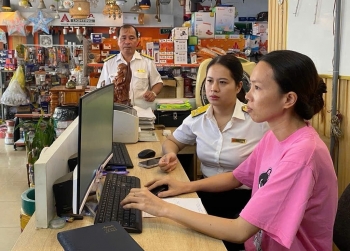
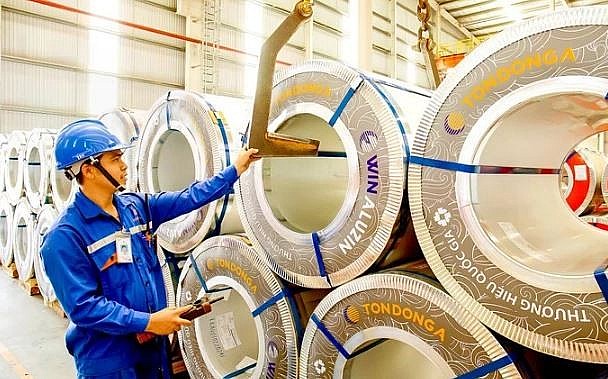
| A worker checks information on product origin at Dong A steel factory (Photo: www.sggp.org.vn) |
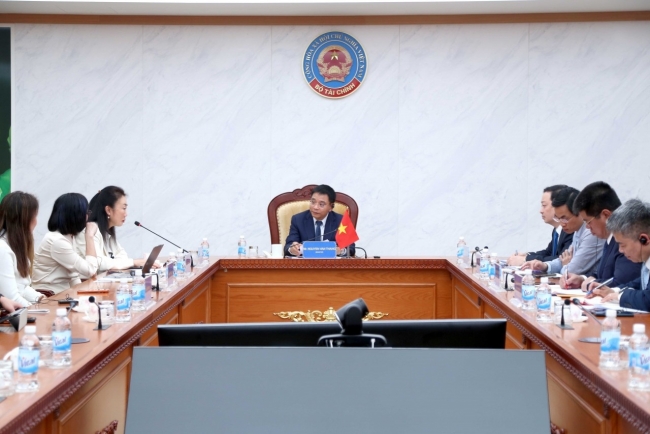
The Ministry of Industry and Trade (MOIT) has issued a Directive urging stronger state management over the inspection and supervision of product origin, a move described as both timely and essential to protect the reputation of Vietnamese goods in the context that import markets are tightening rules of goods origin.
From fibers to forests: A push for traceability
As global markets demand greater transparency, the issue of product origin has taken centre stage.
In the first quarter of 2025, Vietnam faced three anti-tax evasion investigations initiated by the US and the European Union (EU), specifically concerning wood, steel, and footwear products. A common factor among the businesses under investigation is their failure to maintain adequate and transparent traceability records.
Faced with the risk of origin fraud, the MOIT ordered an upgrade to the eCoSys electronic certificate of origin system, introducing real-time alerts for irregularities, stricter issuance controls, and enhanced data verification. This digital transformation is a crucial step in managing origin verification transparently and non-disruptively for the legal supply chain.
For Vietnam’s textile and garment industry, a key driver of national exports, the pressure is mounting. The Vietnam Textile and Apparel Association (VITAS) has warned that exporters must now meet stricter requirements from markets like the US and EU, particularly concerning material origin and labour standards. The US Uyghur Forced Labour Prevention Act and the EU’s latest regulations require traceability down to the fiber level. With much of Vietnam’s textile inputs still imported from China, local firms must ensure full supply chain transparency or risk losing market access.
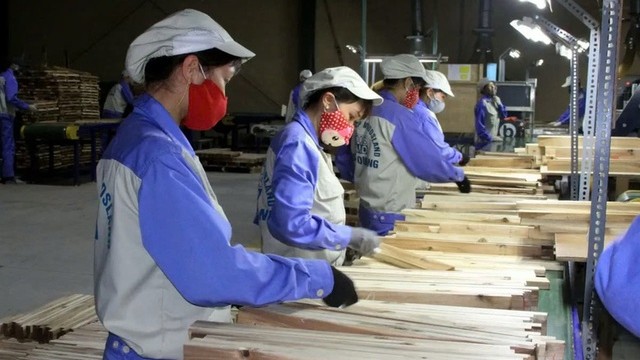
The timber industry is under similar strain. Exporters must now pinpoint logging sites with GPS precision, detail production methods, and secure third-party certifications, according to the Vietnam Timber and Forest Products Association.
Traceability: A tough task, but a must for Vietnamese exporters
Forward-thinking Vietnamese firms are already reaping rewards. Hoa Phat Dung Quat Steel, for instance, secured EU tariff exemptions by proving its production is entirely domestic, sidestepping scrutiny tied to global anti-dumping investigations.
According to Pham Bich Phuong, head of Business at the Sao Khue Food company, the biggest challenge for Vietnamese firms is learning how to effectively tell the story of their products’ origin to international partners. “Global consumers not only care about price and design, they also want to know where the product comes from,” she said. “If you tell that story well and truthfully, the impact is far greater”.
As Vietnam deepens its integration into the global economy through more than 15 free trade agreements (FTAs), including the Comprehensive and Progressive Agreement for Trans-Pacific Partnership (CPTPP) and the EU-Vietnam Free Trade Agreement (EVFTA), origin transparency has become a non-negotiable requirement to access tariff preferences and avoid trade defence measures. For many companies, traceability is not just about compliance, it’s a strategy to protect market share, add value, and build a sustainable presence in the global marketplace./.