According to statistics from Yuanta, market-wide revenue and post-tax profit rose by approximately 20.1% and 50.8% year-on-year, respectively, buoyed by the low comparative base of 2024.
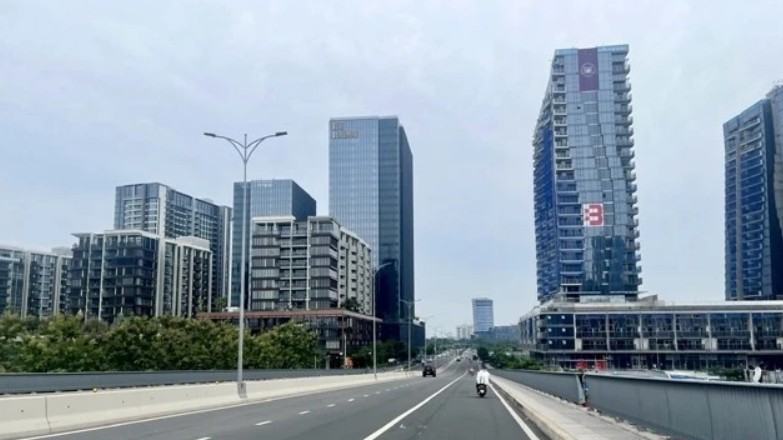
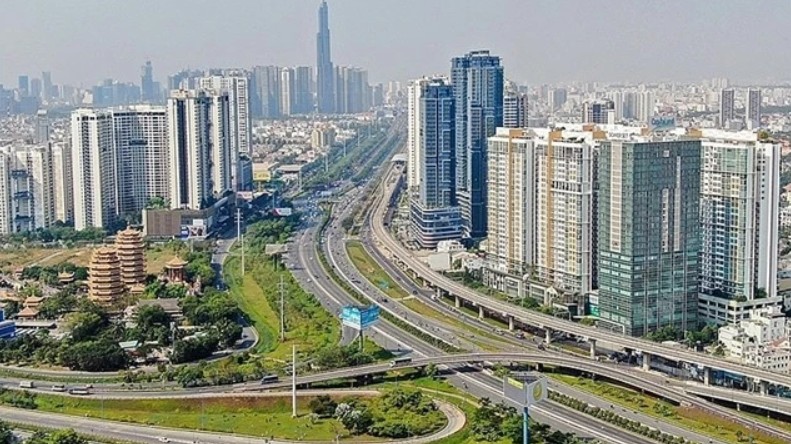
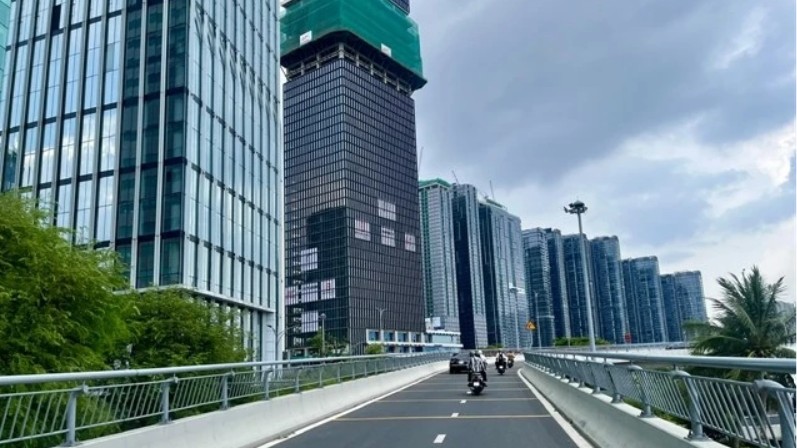
Experts believe 2025 could be a crucial year for the city's real estate sector. After navigating the challenges brought on by the pandemic and economic downturn, a full recovery is anticipated by 2026.
Vietnam’s real estate sector attracted 371.5 million USD in foreign direct investment (FDI) in the first two months of 2025, securing its position as the second-largest recipient of foreign capital and accounting for 16.9% of total newly registered FDI.
2025 will serve as a crucial foundation year for the real estate sector in Ho Chi Minh City, marking the path towards a full recovery by 2026 after facing challenges caused by COVID-19 and economic recession, experts predicted.
Experts forecast that real estate will remain a promising investment channel in 2025, with the most dynamic segment closely tied to infrastructure projects.
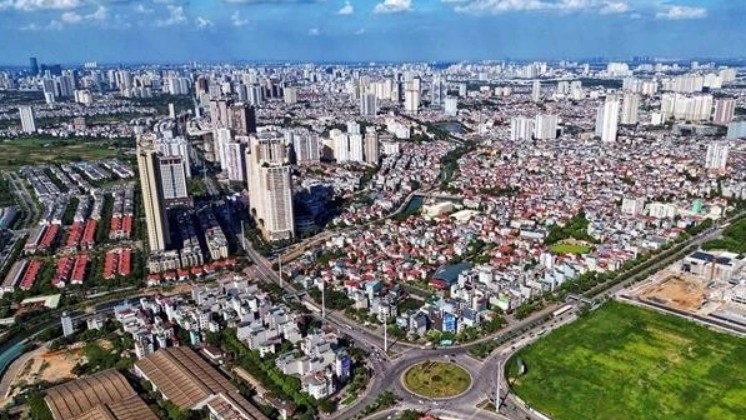
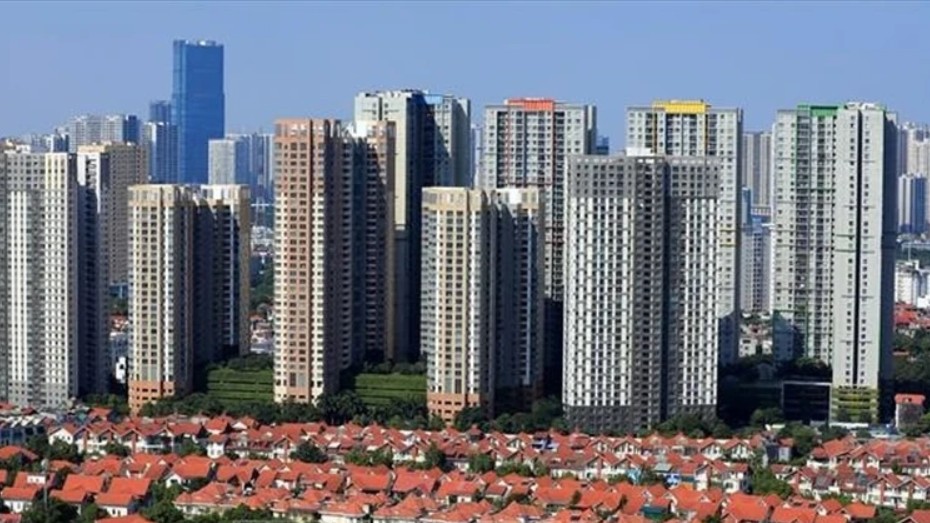
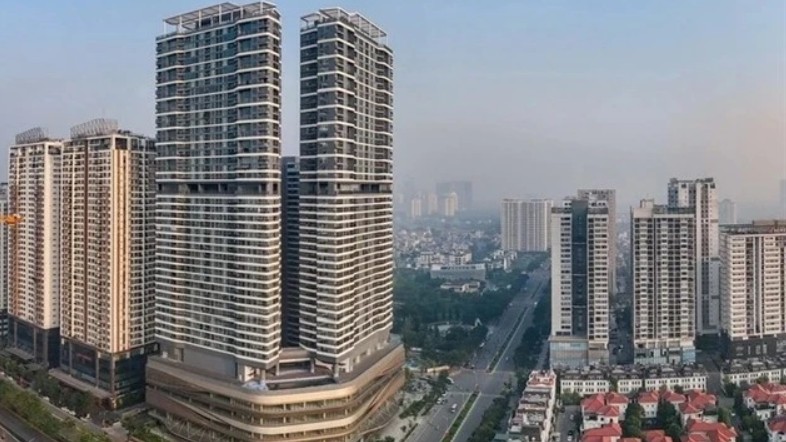
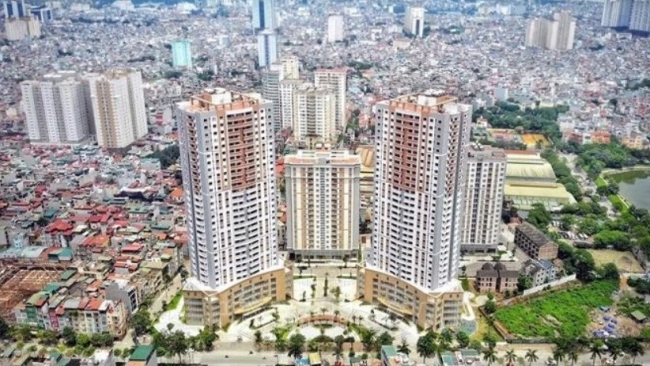
Apartments in the capital city Hanoi have gained in popularity in recent years, as a source of rental income and a reliable safe haven for people who seek shelter from inflation, said property experts and industry insiders.
Land-related revenue in Ho Chi Minh City has surged nearly 50% year-on-year, surpassing 25.3 trillion VND (nearly 1 billion USD) in 2024, according to data from its Department of Natural Resources and Environment.
Foreign direct investment (FDI) in the real estate sector for 2024 reached 3.72 billion USD, making up 18.8% of the total FDI that Vietnam attracted in the year, second only to the manufacturing sector, reported the General Statistics Office (GSO).
The supply of social housing in Vietnam is anticipated to increase significantly next year, driven by preferential policies and the Ministry of Construction’s (MoC) efforts to address obstacles hindering related projects, according to experts.